



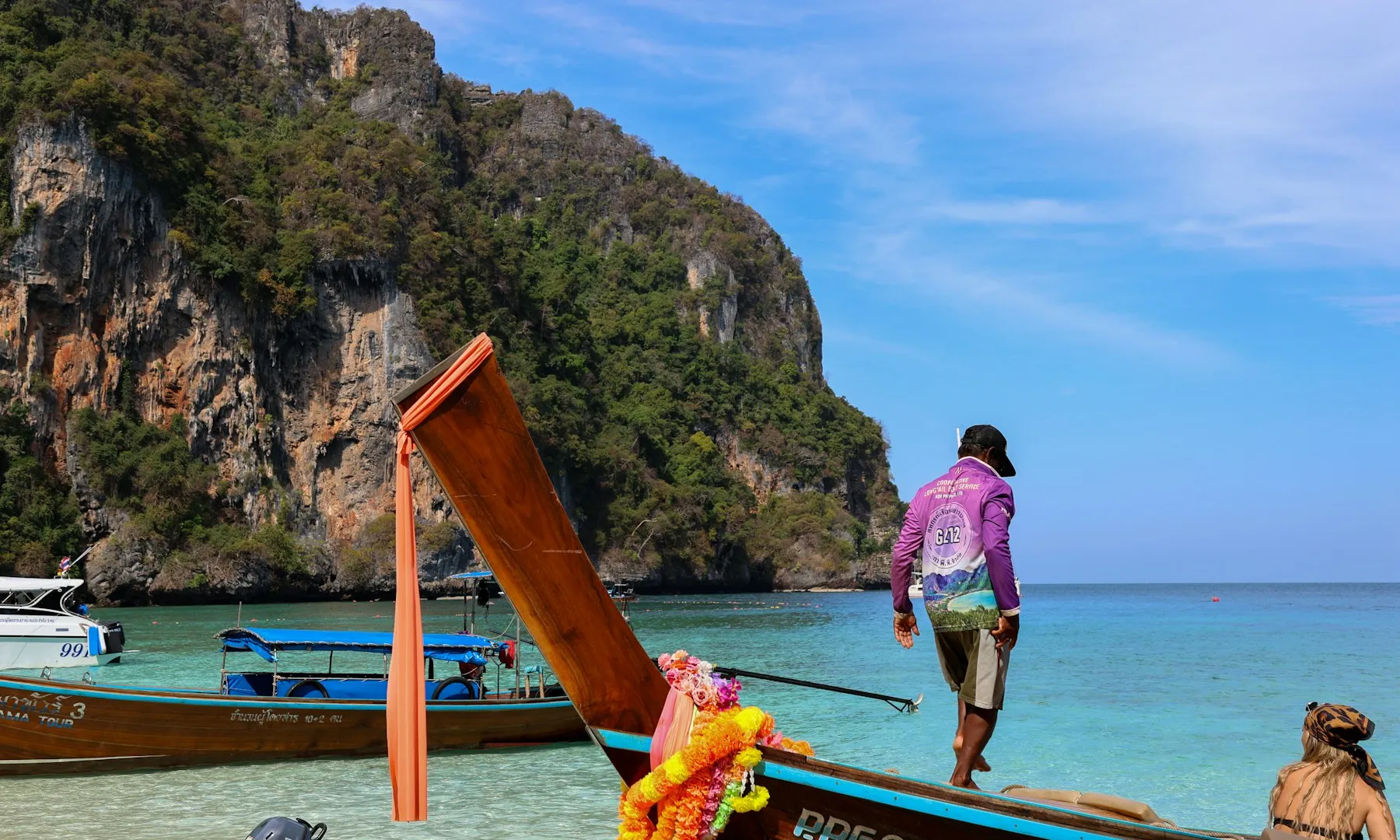
A snorkelling day trip is the most popular excursion in Hurghada, and for good reason. Within an hour of the marina you can be floating above coral gardens full of colour and movement, then spending the afternoon on a white-sand island beach. Most boats provide the essentials — mask, snorkel, fins and a life vest — but what you bring yourself decides whether the day is comfortable or a little bit miserable.
This guide covers what to pack, what to wear, what to leave behind, and a few habits that keep both you and the reef in good shape. It is written with a typical day in mind: hotel pickup in the morning, two or three snorkelling stops, lunch on board and a beach stop, back by late afternoon.
The essentials
Swimwear, worn from the start
Put your swimwear on at the hotel. Boats have limited changing space, and the first reef stop often comes soon after leaving the marina. Wear something you can move and swim in comfortably; a one-piece or snug swim shorts stay in place better when you jump in and climb the ladder back out.
Sun protection — more than you think
The Red Sea sun is strong all year, and on a boat it reflects off the water as well as shining down from above. Snorkelling also exposes the back of your body, which rarely sees the sun at home. People burn the backs of their legs, shoulders and necks without noticing until the evening.
- A rash vest or a light long-sleeved swim top. This is the single most useful thing you can bring. It protects your back and shoulders while you snorkel, it reduces the sunscreen you need, and in cooler months it keeps you warmer in the water.
- Reef-friendly sunscreen. Choose a mineral sunscreen based on zinc oxide or titanium dioxide, and avoid products containing oxybenzone and octinoxate, which are linked to harm to coral. Apply it at least 15 minutes before getting in the water so it has time to settle, rather than straight before jumping in, when much of it washes off.
- A hat and sunglasses. A hat with a strap is ideal on a moving boat. Polarised sunglasses make it much easier to see into the water from the deck.
- Lip balm with SPF. Salt, wind and sun dry lips quickly.
A towel — or two
Some boats provide towels and some do not; it is easier to bring your own than to find out on board. A quick-dry microfibre towel packs small. If you are spending a few hours on an island beach, a second, larger towel to lie on is a comfort.
Water
Most trips include soft drinks and water with lunch, but bring a refillable bottle so you can drink when you need to, not when the drinks come round. Swimming, sun and sea air dehydrate you faster than you expect.
Cash, in small amounts
Even on an all-inclusive trip, there are things you may want to pay for on the day. Protected areas such as the Giftun islands charge an entry fee that is often collected on board in cash; check with your operator whether it is included. You may also want cash for drinks from a beach bar, an underwater photo package or a tip for the crew. Small notes in euros or Egyptian pounds are easiest. Leave the rest of your money in the hotel safe.
Useful extras
- A waterproof phone pouch. It keeps your phone dry on deck and lets you take simple photos in shallow water. Test it in the hotel sink before trusting your phone to it.
- Seasickness tablets, if you are prone to motion sickness. Take them before boarding, as the packet directs — they work far better as prevention than as a cure. If you do feel queasy, sitting outside in the fresh air and looking at the horizon helps.
- A light layer for the trip home. In winter and spring the ride back to the marina can feel cool once you are wet and the sun is lower. A dry T-shirt or thin jumper makes a big difference.
- Your own mask, if you have one that fits well. Boat masks are fine for most people, but a mask that seals properly on your face is the difference between a great swim and a frustrating one. If you wear glasses, ask the operator in advance whether prescription masks are available.
- Anti-fog drops, or the old trick of a drop of baby shampoo rubbed on the inside of the lens and rinsed off.
- A plastic bag for wet swimwear on the way home.
What to leave at the hotel
- Valuables. Jewellery, expensive watches and anything you would hate to lose overboard or in the sand.
- Your passport — unless your operator asks you to bring it. For most island trips a copy or a photo on your phone is enough, but some longer trips and certain checkpoints require the original, so ask when you book.
- Glass bottles. They are unsafe on a moving deck and not allowed on many boats.
- Too much stuff. Space on deck is shared; a small backpack or beach bag is plenty.
Before you get in the water
Every good crew gives a short briefing before the first stop. Listen to it even if you have snorkelled before: it covers where to enter and leave the water, how far to swim, what currents to expect, and the signals the crew uses.
A few things make the first minutes easier:
- Fit your mask on deck. Push all hair out of the way, place the mask on your face without the strap, and breathe in gently through your nose. If it stays on by itself, it fits. Then adjust the strap so it is snug, not tight.
- Practise breathing through the snorkel with your face in the water near the ladder before swimming off. Slow, relaxed breaths work best.
- Wear the life vest if you are not a confident swimmer. There is no shame in it; it lets you relax and enjoy the reef instead of working to stay afloat. A crew member can stay close to you if you ask.
- Put your fins on in the water or sitting at the edge of the platform. Walking in fins is how people fall over on deck.
Looking after the reef
The reefs around Hurghada are beautiful but fragile. Coral grows extremely slowly, and a single careless kick can break decades of growth. Most of the damage done by snorkellers is accidental, and all of it is avoidable.
- Never stand on coral. If you need to rest, float on your back, hold onto the boat’s line, or swim to a sandy patch. Standing on the reef breaks it and can cut your feet badly.
- Do not touch anything. Some creatures are fragile, and some are best not touched for your own sake: fire coral stings, and a few fish and urchins have defensive spines.
- Keep your fins up. In shallow water, float flat and kick gently from the hips, so your fins stay well above the coral.
- Do not feed the fish. It changes their behaviour and harms their health.
- Take nothing away — not shells, not coral fragments, not sand. It is also illegal to export coral and shells from Egypt.
Snorkelling with children
Children often love snorkelling more than anyone, provided the first experience is a good one. A few things help. Choose a trip with at least one shallow, sheltered stop, where they can see fish close to the surface without swimming far from the boat. Ask in advance whether child-size masks, fins and life vests are on board; a mask that leaks is the fastest way to end a child’s enthusiasm. Practise at the hotel pool the day before, so the mask and snorkel feel familiar rather than strange.
On the day, keep children in a life vest, stay within arm’s reach, and keep the first swim short. Ten happy minutes spotting a parrotfish is worth more than half an hour of cold, tired crying. Pack snacks, a dry change of clothes, extra sunscreen and something to do on deck during the longer stretches of sailing.
After the trip
Rinse your swimwear and any equipment of your own in fresh water when you get back, and hang everything to dry in the shade, out of direct sun. Drink plenty of water in the evening — a day on the sea dehydrates you more than it feels like at the time. If you notice any redness from the sun, cool the skin gently and keep it covered the next day. And if you saw something you could not name, ask the crew next time, or look it up: putting names to the fish you saw is half the fun of the second trip.
A sample packing list
- Swimwear (worn), rash vest or long-sleeved swim top
- Reef-friendly mineral sunscreen and SPF lip balm
- Hat with a strap, polarised sunglasses
- Quick-dry towel
- Refillable water bottle
- Small cash for park fees, drinks, photos and tips
- Waterproof phone pouch
- Seasickness tablets if needed
- Dry T-shirt or light jumper for the ride home
- Your own mask, if you have one; anti-fog drops
- Plastic bag for wet things
Choosing the right trip
Not all snorkelling trips are the same. Some boats carry large groups and visit the busiest spots; smaller boats can reach quieter reefs earlier in the day. Some trips focus on the beach, others on time in the water. If you are travelling with children or nervous swimmers, look for trips with shallow, sheltered stops and a crew member in the water. If you are a keen snorkeller, ask how many stops there are and how long you get at each.
And if you are not sure which trip suits your group, ask before you book. Tell us who is coming, how confident everyone is in the water and what you hope to see, and we will point you to the right boat.



Leave a comment